Is AI Consciousness Possible? 🧠 🤖
We’re diving deep into one of tech’s most exciting debates: Can an AI truly be conscious? We want to hear from YOU! 🌟 Does AI have the potential for self-awareness, or is it just an incredible simulation? Cast your vote and add your voice to the conversation. Share your perspective on one of today’s most thought-provoking questions!
Discussion
The Future of AGI – Is It Possible?
The massive hype around ChatGPTs has been fuelling speculation that AGI, or Artificial General Intelligence is not a question of if but when concept of AGI and Fundamental difference between human and Artificial Intelligence
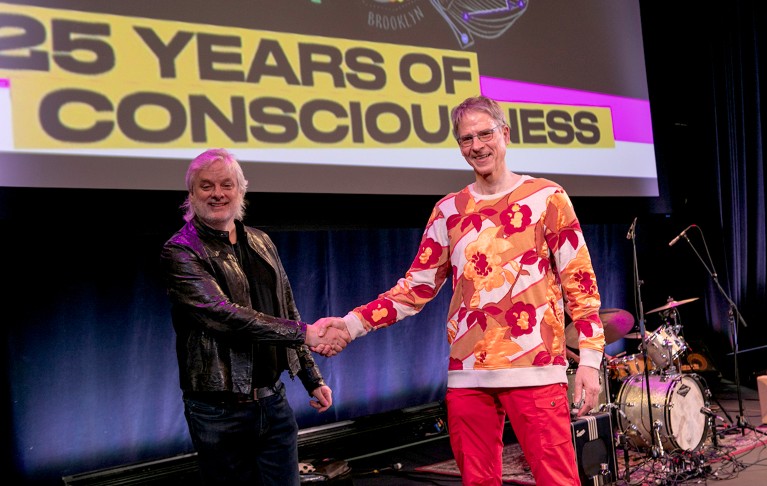
Christof Koch wagered David Chalmers 25 years ago that researchers would learn how the brain achieves consciousness by now. But the quest continues.
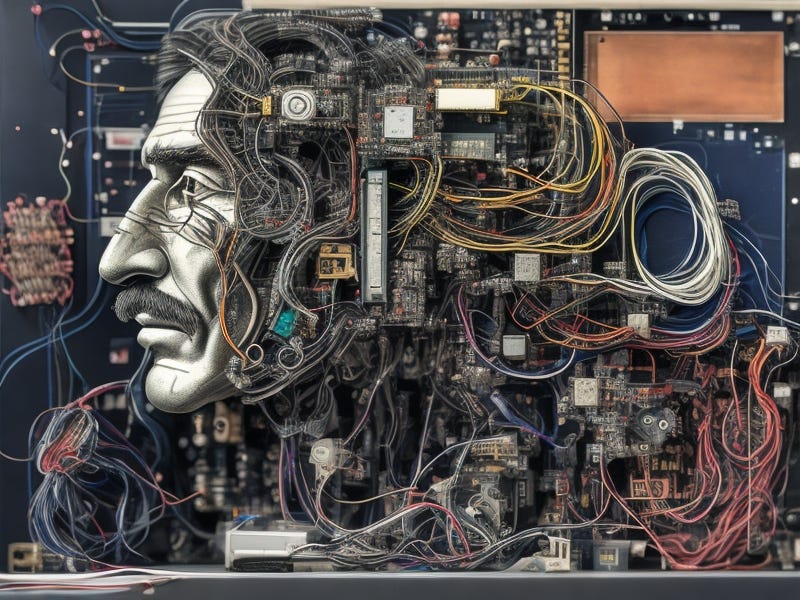
Decades-long bet on consciousness ends — and it’s philosopher 1, neuroscientist 0
Christof Koch wagered David Chalmers 25 years ago that researchers would learn how the brain achieves consciousness by now. But the quest continues.
Insights from Prototyping
Improved Decision-Making Through Scenario Analysis
Practical reasoning exercises within DSR’s AI prototypes have been shown to significantly boost consultants’ decision-making abilities. For example, in projects where scenario analysis was applied, consultants could better assess AI-generated insights for specific, nuanced outcomes, allowing them to make contextually relevant decisions. This approach prevents over-reliance on general data patterns and supports tailored solutions in client-specific environments.


Enhanced Problem-Solving in Complex Domains
The DSR prototypes that focused on health and financial sectors demonstrated that consultants benefit from practical reasoning when interpreting AI insights within high-stakes domains. Through a critical evaluation of AI recommendations, consultants are equipped to address complex, industry-specific challenges. This approach proves especially effective in cases requiring risk assessment and regulatory compliance, as seen in DSR’s financial consulting projects.
Balanced Human-AI Collaboration for Strategic Insights
Practical reasoning exercises within DSR’s AI prototypes have been shown to significantly boost consultants’ decision-making abilities. For example, in projects where scenario analysis was applied, consultants could better assess AI-generated insights for specific, nuanced outcomes, allowing them to make contextually relevant decisions. This approach prevents over-reliance on general data patterns and supports tailored solutions in client-specific environments.


Increased Client Trust via Transparent Insight Translation
Practical reasoning exercises within DSR’s AI prototypes have been shown to significantly boost consultants’ decision-making abilities. For example, in projects where scenario analysis was applied, consultants could better assess AI-generated insights for specific, nuanced outcomes, allowing them to make contextually relevant decisions. This approach prevents over-reliance on general data patterns and supports tailored solutions in client-specific environments.
Adaptability to Dynamic Business Environments
Practical reasoning exercises within DSR’s AI prototypes have been shown to significantly boost consultants’ decision-making abilities. For example, in projects where scenario analysis was applied, consultants could better assess AI-generated insights for specific, nuanced outcomes, allowing them to make contextually relevant decisions. This approach prevents over-reliance on general data patterns and supports tailored solutions in client-specific environments.


Applying AI Insights to Real-World Constraints
Practical reasoning exercises within DSR’s AI prototypes have been shown to significantly boost consultants’ decision-making abilities. For example, in projects where scenario analysis was applied, consultants could better assess AI-generated insights for specific, nuanced outcomes, allowing them to make contextually relevant decisions. This approach prevents over-reliance on general data patterns and supports tailored solutions in client-specific environments.
Conclusion
Practical reasoning exercises within DSR’s AI prototypes have been shown to significantly boost consultants’ decision-making abilities. For example, in projects where scenario analysis was applied, consultants could better assess AI-generated insights for specific, nuanced outcomes, allowing them to make contextually relevant decisions. This approach prevents over-reliance on general data patterns and supports tailored solutions in client-specific environments.